

They re-coated our flat roof and the building runs noticeably cooler. Clean crew, fair price, no surprises.
Torch Down Modified Bitumen Roofing in Industry
Trusted Industry
Get Your Free
Roof Quote
1What Happens on Site in Industry
On most jobs, flashing at every penetration is replaced rather than reused on a Industry roof, since reused flashing is where the next leak starts. Tear-off on a Industry job exposes the deck, and that is the moment to agree any make good rather than after the fact. The Industry crew walks the finished roof covering with the owner, which is the right time to raise anything that looks off. Edge metal on a Industry roof covering goes under the underlayment at the eave and over it at the rake.
As a rule, photographs are taken at each stage on Industry jobs so the owner sees what was covered up. Valleys on a Industry roof are detailed before the field goes down, not after. Material is delivered to Industry sites the day it is needed to keep the driveway clear.
2What a Industry Roof Costs
In practice, change orders on a Industry job should be signed before the work is done. A Industry deposit should be proportionate to materials ordered, nothing more. Financing suits a failing Industry roof; it rarely suits one with years left. Warranty terms affect the real price of a Industry roof more than the headline does.
Access difficulty changes the labour on a Industry job more than the majority of owners expect. Permit and inspection fees on Industry the job are small and should still be itemised. Planning a Industry replacement a few years ahead removes the pressure of deciding during a storm.
3Reading a Industry Roof Early
On most jobs, sagging between rafters on a Industry roof points at the deck rather than the covering. In practice, daylight visible through the deck from inside a Industry attic is a structural issue, not a covering issue. Cracked tile on a Industry roof covering is cosmetic; the paper beneath it is not. Blistering on a Industry low-slope roof means trapped moisture under the membrane.
Rusted fasteners on a Industry roof covering mean the fixings are failing before the covering. Interior paint bubbling on a Industry ceiling is a late signal, not an early one. Lifted shingle tabs after a Industry wind event are the start of a progressive failure.
4Specifying a Industry Roof
Shingle weight and wind rating matter more on exposed Industry roofs than colour does. In practice, tile on a Industry property is a fifty-year material sitting on a twenty-year membrane. As a rule, insulation upgrades on a Industry re-roof are cheapest while the deck is open. Ventilation on a Industry roof affects covering life as much as the covering itself does.
Material choice on a Industry roof should follow pitch and exposure first, and appearance second. Underlayment is the waterproofing on a Industry tile roof covering, and it is the part with the shorter clock. Synthetic slate suits Industry framing that cannot carry the real thing.
5Questions Worth Asking in Industry
As a rule, a itemised scope protects both sides on a Industry job equally. In practice, recent local addresses beat testimonials on any Industry hiring decision. Payment on Industry jobs should track progress rather than run ahead of it. Certification counts on Industry jobs because it makes the material warranty enforceable.
Insurance certificates on Industry the job should be current, not last year's. A Industry roofer who talks you out of unnecessary the job is the one worth keeping. Local references beat national badges on any Industry roofing decision.
6When Industry Roofs Need Attention
Multi-unit buildings in Industry need staging as much as they need roofing. The majority of Industry enquiries arrive after a ceiling stain appears, by which point the roof has usually been leaking for a while. Seasonal debris in Industry dictates when drainage work gets done. Weekend calls in Industry are as a rule leaks; weekday calls are as a rule planning.
Insurance timelines push Industry work into clusters, and that affects availability. Call volume in Industry runs hardest in the weeks either side of the first winter storm, and booking ahead of that window costs nothing. As a rule, a Industry roof rarely fails without warning — it fails without anyone having looked.
1Specifying a Industry Roof
Tile on a Industry property is a fifty-year material sitting on a twenty-year membrane. Underlayment is the waterproofing on a Industry tile roof covering, and it is the part with the shorter clock. Gutter capacity on a Industry property should match the roof area feeding it. Shingle weight and wind rating matter more on exposed Industry roofs than colour does.
On most jobs, ventilation on a Industry roof covering affects covering life as much as the covering itself does. Single-ply on a Industry commercial roof covering lives or dies on its seams and terminations. Insulation upgrades on a Industry re-roof are cheapest while the deck is open.
2The Industry Job, Start to Finish
Dry-in happens before the crew leaves a Industry site, every day, without exception. In practice, the job on a Industry roof starts with protection — ground cover, gutter guards and a plan for where the debris goes. Photographs are taken at each stage on Industry jobs so the homeowner sees what was covered up. Penetration boots on Industry roofs are replaced as a matter of course during a re-roof.
The Industry crew walks the finished roof with the owner, which is the right time to raise anything that looks off. In practice, ridge ventilation on Industry jobs is set out at the start so the cut line is right. Final clean-up on a Industry property includes a magnetic sweep for nails, which matters more than the majority of owners expect.
3How Industry Work Gets Scheduled
We estimate Industry jobs in writing before anything starts, with the assembly and the deck allowance stated separately. Multi-unit buildings in Industry need staging as much as they need roofing. Access and parking shape the day on narrow Industry streets. On most jobs, call volume in Industry runs hardest in the weeks either side of the first winter storm, and booking ahead of that window costs nothing.
As a rule, emergency work in Industry costs more than planned work, for the obvious reason that nobody is choosing the timing. On most jobs, scheduling in Industry is easiest through the dry months, when crews are not working around weather. Second opinions are routine in Industry and no honest roofer resents one.
4Hiring a Industry Roofer
Two warranties apply on Industry work — the manufacturer's on material, the installer's on workmanship. Check that the Industry crew on site works for the company that quoted. Clean-up terms belong in the Industry contract rather than in conversation. A Industry roofer who talks you out of unnecessary work is the one worth keeping.
Confirm the licence, liability cover and workers' compensation before any Industry contractor sets foot on the roof covering. Local references beat national badges on any Industry roofing decision. In practice, an urgent Industry estimate that expires today is a sales tactic, not a roofing condition.
5Pricing Industry Work Honestly
Warranty terms affect the real cost of a Industry roof more than the headline does. As a rule, comparing Industry bids means comparing assemblies, not headline numbers. Access difficulty changes the labour on a Industry job more than most owners expect. Disposal is a real line on a Industry tear-off and belongs in the estimate.
The cheapest Industry estimate as a rule leaves out the flashing, and that is where the next failure arrives. In practice, phasing a large Industry roof across seasons often beats financing the lot. Financing suits a failing Industry roof; it rarely suits one with years left.
6Warning Signs on a Industry Roof
On most jobs, blistering on a Industry low-slope roof covering means trapped moisture under the membrane. Curling or cupping tabs on a Industry roof mean the material has lost its flexibility and will not recover. Sagging between rafters on a Industry roof points at the deck rather than the covering. On most jobs, interior paint bubbling on a Industry ceiling is a late signal, not an early one.
Repeat stains in the same Industry ceiling after every storm point to flashing rather than to the field. In practice, granules collecting in the Industry gutters are the earliest honest warning that a shingle roof covering is past halfway. Staining on the fascia of a Industry property generally means the gutters, not the roof.
Why Choose
Us?
- Experienced & Friendly Team
- Top Quality Materials
- Upfront, Honest Pricing
- On-Time, Every Time
- Workmanship You Can Trust
- 100% Satisfaction Guaranteed
10+ Years of
Experience Serving Industry
& Surrounding Areas
Experience Serving Industry
& Surrounding Areas
Free Drone
Inspection Captured with
DJI Air 2S
Inspection Captured with
DJI Air 2S
Satellite Roof
Measurement High accuracy. No guesswork.
Just precise results.
Measurement High accuracy. No guesswork.
Just precise results.
 Fully Licensed
& Insured
Woof
Problems?
Problems?

Get Your Roof Price in Under 5 Minutes!
Accurate. Instant. No Obligation.
-
Under
5 Minutes -
100% Free
to Use -
Accurate
Estimates
Start My Roof Price
Fast. Easy. No Pressure.
 24/7
Emergency Service
We’re Always Here!
 Many Satisfied
Customers!
Licensed
& Insured
 Veteran &
Family Owned
Our Roofing Services
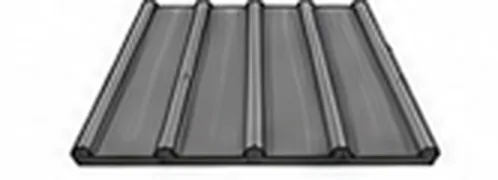
Metal Roof
Durable. Energy Efficient. Built to Last.
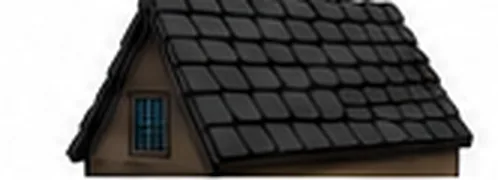
Asphalt Shingle Roof
Strong. Affordable. Built to Protect.

Tile Roof
Timeless Beauty. Long Lasting Protection.
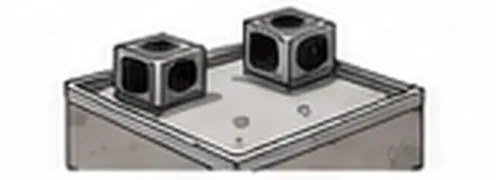
Flat Roof
Commercial & Residential Flat Roofing Experts.

Roof Coating
Extend Roof Life. Improve Efficiency. Save Money.

Insurance Assistance
We help you navigate the insurance process.
About Us
Built on Trust.
Focused on Quality.
We are a Industry based roofing company specializing in metal roofing, roof coatings, and commercial roofing solutions. With over 10 years of combined experience, our mission is simple: deliver top quality workmanship, honest pricing, and long lasting results you can count on.
-
Quality Workmanship
We use premium materials and industry-leading techniques to ensure long-lasting protection.
-
Experienced Team
Our skilled professionals bring decades of experience to every roofing project.
-
Honest & Transparent
No hidden fees, no surprises. Just honest recommendations and clear communication.
-
Customer Satisfaction
Your satisfaction is our priority. We stand behind our work with reliable warranties.
We Work With Your Insurance Carrier
We make the insurance process simple and stress-free. From inspection to claim approval, we’ve got you covered.

See What Our Customers Say!

Metal roof installed in three days. They handled the insurance paperwork start to finish. Highly recommend!
Called at 9pm with a leak during a storm. Someone answered and was out the next morning. Real 24/7 service.
Our tile roof looks brand new. Honest pricing, on time every day, and they cleaned up completely.
1Warning Signs on a Industry Roof
Daylight visible through the deck from inside a Industry attic is a structural issue, not a covering issue. Sagging between rafters on a Industry roof points at the deck rather than the covering. In practice, soft spots underfoot on a Industry roof mean the sheathing has taken water and calls for replacing. Interior paint bubbling on a Industry ceiling is a late signal, not an early one.
On most jobs, lifted shingle tabs after a Industry wind event are the start of a progressive fault. Curling or cupping tabs on a Industry roof covering mean the material has lost its flexibility and will not recover. Cracked tile on a Industry roof is cosmetic; the paper beneath it is not.
2Material Decisions in Industry
As a rule, gutter capacity on a Industry property should match the roof area feeding it. Material choice on a Industry roof should follow pitch and exposure first, and appearance second. A low-slope section on a Industry property wants a membrane or coating, never shingle laid flatter than it is rated for. Single-ply on a Industry commercial roof covering lives or dies on its seams and terminations.
Metal panels on a Industry roof need clearance for movement or the fixings elongate. Fastener specification counts on Industry jobs; the cheap option corrodes years before the roof covering does. Coating a Industry roof only works where the substrate is sound and dry.
3How Industry Work Gets Scheduled
Call volume in Industry runs hardest in the weeks either side of the first winter storm, and booking ahead of that window costs nothing. A Industry roof rarely fails without warning — it fails without anyone having looked. Multi-unit buildings in Industry need staging as much as they need roofing. In practice, permit lead times in Industry are part of the schedule, not an afterthought.
Insurance timelines push Industry work into clusters, and that affects availability. Scheduling in Industry is easiest through the dry months, when crews are not working around weather. A Industry property with two roof covering types needs two scopes, and a single lump sum hides which part is actually being done.
4The Industry Job, Start to Finish
Photographs are taken at each stage on Industry jobs so the homeowner sees what was covered up. As a rule, the Industry crew walks the finished roof covering with the owner, which is the right time to raise anything that looks off. On most jobs, underlayment goes down the same day the deck is open on Industry jobs; nothing is left exposed overnight. As a rule, ridge ventilation on Industry jobs is set out at the start so the cut line is right.
In practice, penetration boots on Industry roofs are replaced as a matter of course during a re-roof. Edge metal on a Industry roof covering goes under the underlayment at the eave and over it at the rake. Dry-in happens before the crew leaves a Industry site, every day, without exception.
5Questions Worth Asking in Industry
In practice, local references beat national badges on any Industry roofing decision. Insurance certificates on Industry the job should be current, not last year's. As a rule, ask a Industry roofer to explain why the roof failed, not just what it costs to replace. Ask what happens on a Industry job if the deck is worse than expected, and get the answer in writing.
Two warranties apply on Industry work — the manufacturer's on material, the installer's on workmanship. Clean-up terms belong in the Industry contract rather than in conversation. An urgent Industry quote that expires today is a sales tactic, not a roofing condition.
6What a Industry Roof Costs
Phasing a large Industry roof covering across seasons often beats financing the lot. A Industry estimate should itemise tear-off, disposal, underlayment, covering, flashing, permit and clean-up. As a rule, permit and inspection fees on Industry the job are small and should still be itemised. Disposal is a real line on a Industry tear-off and belongs in the quote.
In practice, access difficulty changes the labour on a Industry job more than most owners expect. Deck make good is the line that moves on a Industry job, so it belongs in the contract at a stated rate per sheet. Comparing Industry bids means comparing assemblies, not headline numbers.
Industry Roofing Questions
What roofing materials suit Industry homes?
Composition shingle is the most common covering in Industry and typically runs fifteen to twenty-five years here. Material choice in Industry should follow pitch and exposure first and appearance second.
Do you offer free roof inspections in Industry?
Booking a Industry job ahead of the first winter storm avoids the queue everyone else joins afterwards. Active leaks in Industry get same-day or next-day attention; planned work is scheduled around the weather.
How do I choose a roofing contractor in Industry?
A contractor who talks you out of unnecessary Industry work is the one worth calling back. Ask what happens on your Industry job if the deck is worse than expected, and get the answer beforehand.
Do you work on flat and low-slope roofs in Industry?
Tile on a Industry property outlives its underlayment by decades, and the underlayment is the part doing the waterproofing. Low-slope sections on Industry buildings need a membrane or coating system rather than shingle laid flatter than it is rated for.
How do you inspect a roof in Industry?
On a Industry tile roof we lift field tiles in two or three places to date the underlayment, which takes about fifteen minutes. A Industry inspection starts at the flashings — chimney, vents, skylights — because they fail long before the field does.
What makes roofs in Industry different?
Heat is the main ageing force on a Industry roof, with surface temperatures running well above the air reading for months. Attic ventilation drives covering life in Industry as much as the weather above the roof does.
Do I need a permit to replace a roof in Industry?
Unpermitted roofing in Industry surfaces at resale, because the permit record is public and inspectors check it. Structural work on a Industry roof triggers a separate review beyond the roofing permit itself.
Can you help with a roof insurance claim in Industry?
Most Industry claims that fail do so because the damage was patched or cleared before anyone photographed it. Policies on Industry properties pay for sudden damage and not for age, so the report has to separate the two.
Where We Work
Industry Roofing Service Areas
We provide Industry Roofing repair, replacement and maintenance across Los Angeles County and the surrounding communities. Choose your city to see local roofing services, or call for a free inspection anywhere in the area.
- Sherman Oaks
- Studio City
- Burbank
- Glendale
- Pasadena
- Santa Monica
- Beverly Hills
- West Hollywood
- Culver City
- Encino
- Van Nuys
- North Hollywood
- Woodland Hills
- Tarzana
- Northridge
- Sunland
- Whittier
- Torrance
- Inglewood
- Long Beach
Do not see your city? We cover all of Industry County — request a free Industry Roofing inspection and we will confirm coverage.
Serving All of Industry County
Industry · Burbank · Glendale · Pasadena · Santa Monica & more
Nearby Service Areas
Roofing Near Industry
We cover Industry and the surrounding communities. Choose your area for local roofing information.
- La Puente Roofing
- West Covina Roofing
- La Habra Heights Roofing
- Baldwin Park Roofing
- Whittier Roofing
- El Monte Roofing
- Walnut Roofing
- South El Monte Roofing
- La Habra Roofing
- Irwindale Roofing
- Covina Roofing
- La Mirada Roofing
- Rosemead Roofing
- Brea Roofing
- Pico Rivera Roofing
- Temple City Roofing
- Duarte Roofing
- Azusa Roofing
- Diamond Bar Roofing
- Bradbury Roofing